Session 1 – Rest and Recovery
Rambisayi Marufu
In this session I am in conversation with artist scholar, healer, tea pourer, visual anthropologist and founder of the “Resting Rooms” Rambisayi Marufu. Together we consider stepping out of capitalist time, listening with the body and practices of care and intimacy that have a legacy within Black diaspora communities.
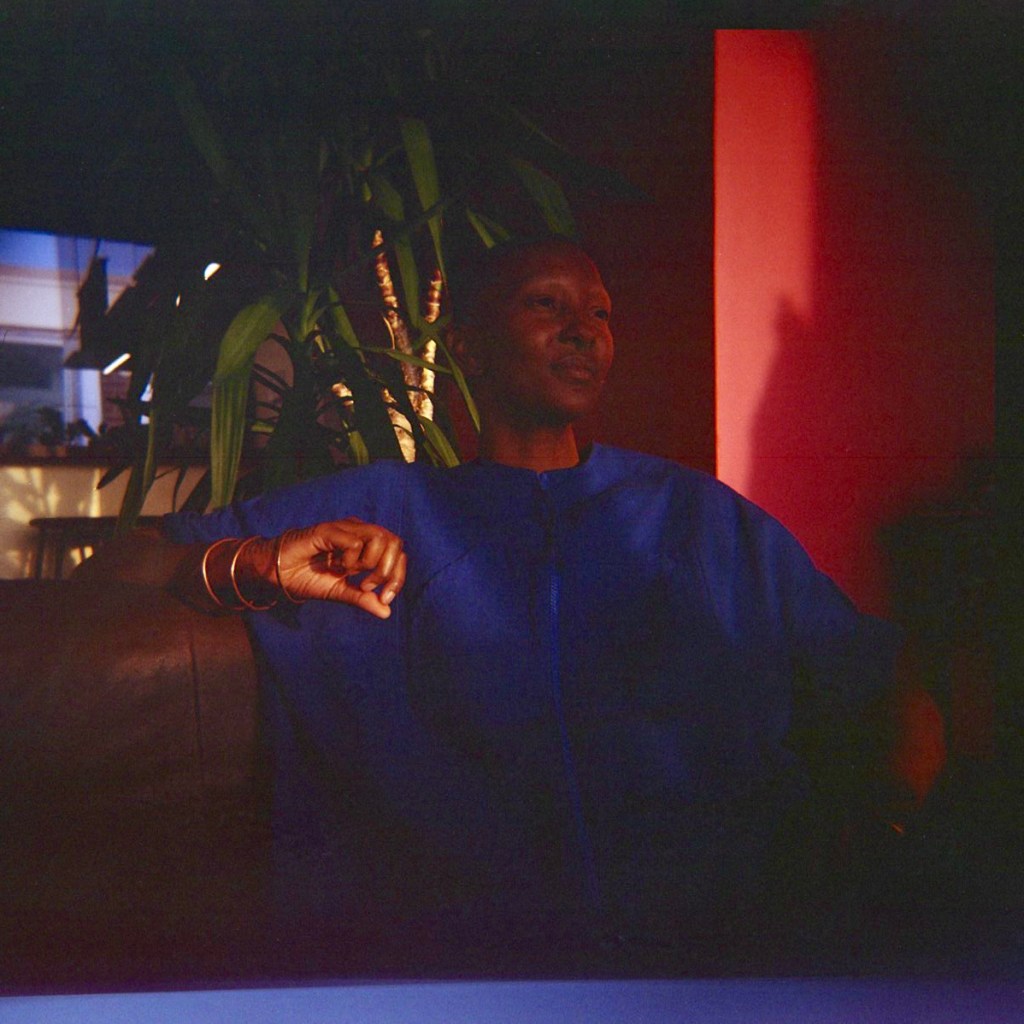
(C) Rambisayi Marufu
You can encounter Rambi’s offerings in London here
Her research and practice outside of bodywork here
Listen to the full episode on Soundcloud.
or on Spotify
Session 2 – Un Muting the Archive
Satch Hoyt
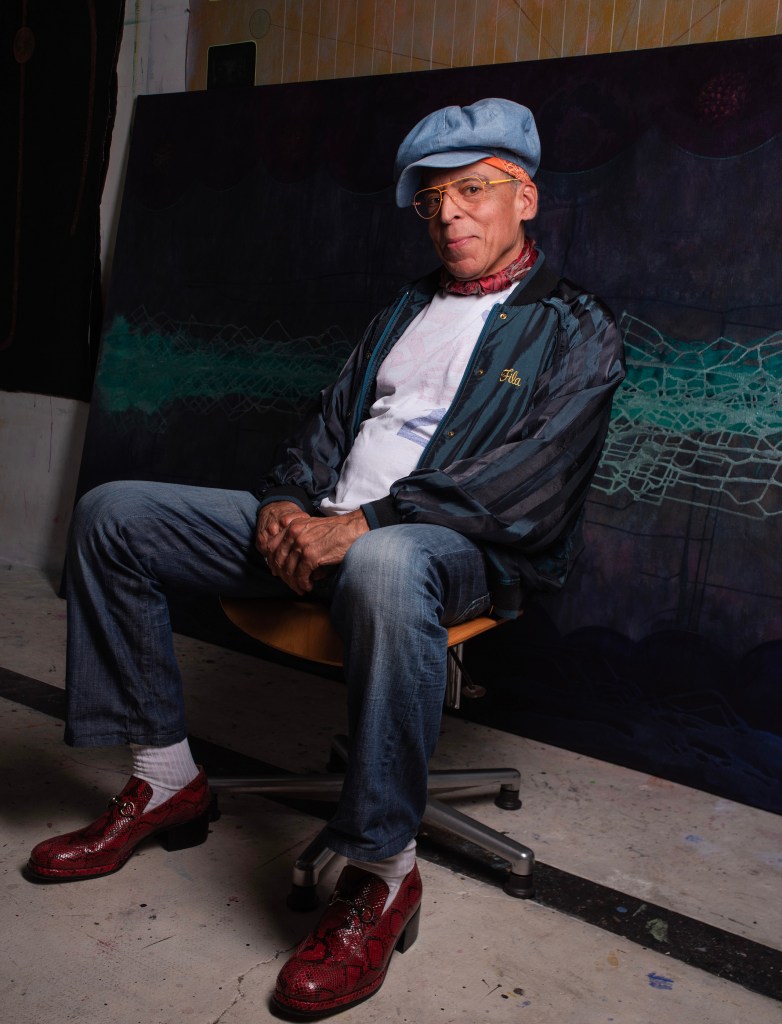
(C) Dale Grant, 2023
Satch Hoyt is a Berlin based musician, composer, visual artist and spiritualist of Jamaican British descent. His multifaceted body of work includes painting, sculpture, installation, sound installation and musical performance. In this session I will be speaking with him about his work of Un-Muting a practice that has emerged out of his artistic research project “Afro Sonic Mapping” where he mines what he terms “the Afro Sonic Signifier” in sound and music carried across the African Diaspora.
His Un-Muting album is available on digital and vinyl formats : https://traza.bandcamp.com/album/un-muting
Satch’s Un-Muting practice is also featured on Arte Tracks –
Gestohlen, ausgestellt, vergessen: Wem gehören die kolonialen Schätze?
Session 3 – Exorbitance & Archival bodies
Deborah A. Thomas
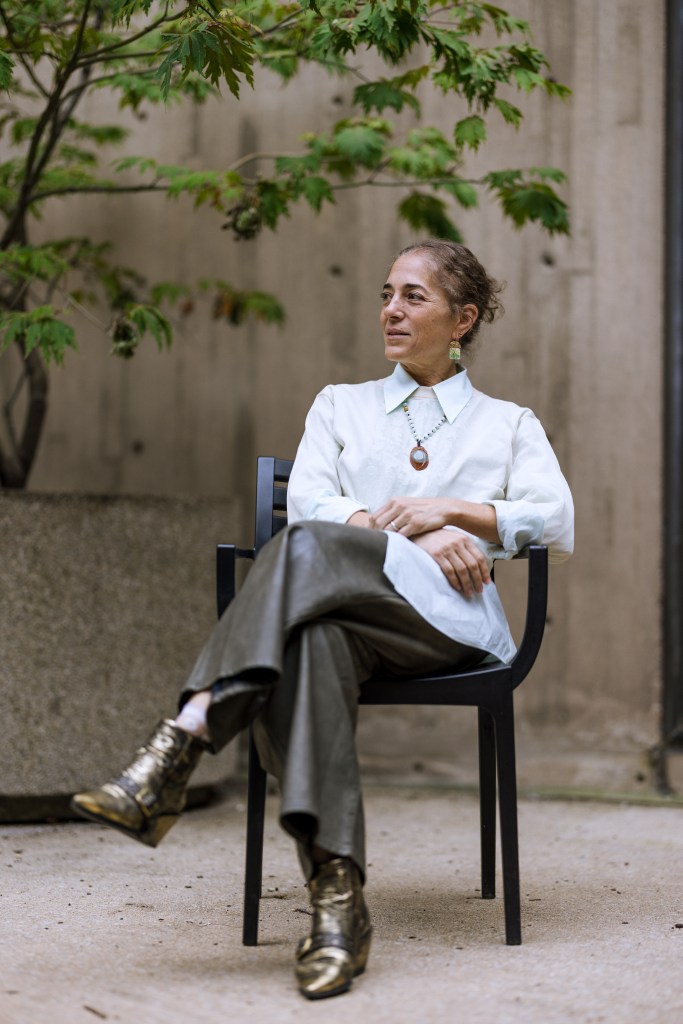
Deborah A. Thomas is the R. Jean Brownlee Professor of Anthropology, and the Director of the Center for Experimental Ethnography at the University of Pennsylvania. She is the author of Exorbitance : A Speculative Ethnography of Inheritance, Political Life in the Wake of the Plantation: Sovereignty, Witnessing, Repair, Exceptional Violence: Embodied Citizenship in Transnational Jamaica and Modern Blackness: Nationalism, Globalization, and the Politics of Culture in Jamaica. Thomas co-directed the documentary films Bad Friday and Four Days in May, and she is the co-curator of a multi-media installation titled Bearing Witness: Four Days in West Kingston. She is the recipient of several awards, including a Guggenheim fellowship, and she is an elected member of the American Academy of Arts and Sciences. Prior to her life in the academy, she was a professional dancer with the New York-based Urban Bush Women.
In this session we will be discussing artistic practice, the body as archive and Deborah’s new book “Exorbitance: A Speculative Ethnography of Inheritance” which is currently out on Duke University Press.
You can listen to this months session with Deborah here on Spotify
Or here on Soundcloud.
Session 4 – Silences & Revisionist Histories
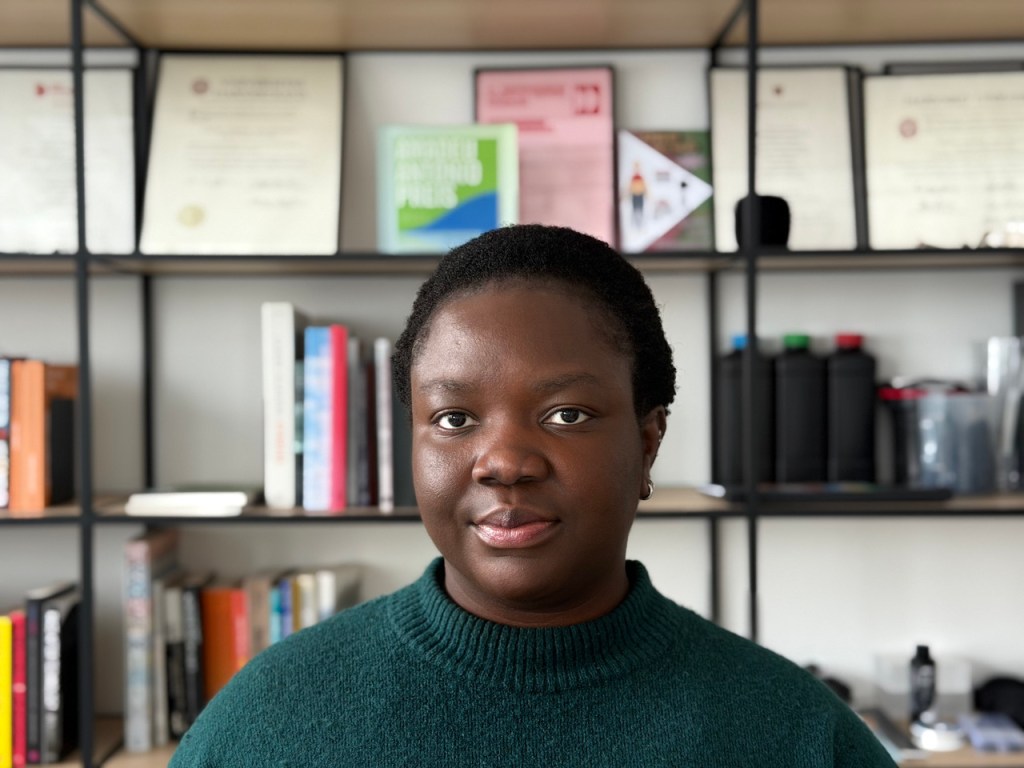
Nnenna Onuoha is a Ghanaian-Nigerian researcher, filmmaker and visual artist based in Berlin, Germany. Her research explores monumental silences surrounding the histories and afterlives of colonialism across West Africa, Europe and the United States, asking: How do we remember, which pasts do we choose to perform, and why? Her work has shown at the Museum Folkwang, the Museum of Modern Art Shanghai, and the Johannesburg Art Gallery and won awards at the XPOSED Queer Film Festival and the Kurzfilm Festival Hamburg. She has published chapters in: “Doing Diversity in Museums and Heritage: A Berlin Ethnography,” “Censored? Conflicting Concepts of Cultural Heritage,”and “Owned by Others: A Map to Possession Island.” Nnenna is currently a binational doctoral candidate in Media Anthropology at Harvard University and Global History at the University of Potsdam, and a Research Associate in the Digital Provenance Lab at the Leuphana University Lüneburg.
In this session Nnenna Onuoha Doctoral candidate with the Harvard Sensory Lab and Potsdam University, describes her practice which spans film and interdisciplinary artistic practice. Her work explores the history of Africans and Black people in the world and is currently centered around German colonial memory and what she has termed “Monumental Silences.” We discuss her rich practice and how being a multi-hyphenate in some spaces can result in multiple competencies being denied or going unrecognized.
You can listen to this session on Spotify
Further links to Nnenna Onuoha’s work: https://nnennaonuoha.com/
 Gathering As Praxis